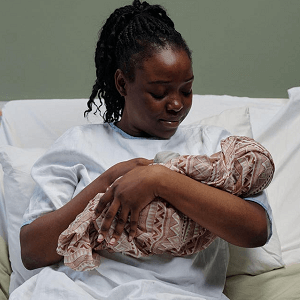
A new study led by Princeton economist Janet Currie reveals that Black mothers are 20% more likely than white mothers to receive cesarean sections, even when their medical risk levels are identical. The research, which analyzed nearly one million births across 68 hospitals in New Jersey, found the disparity was most pronounced among low-risk pregnancies—suggesting that many of these surgeries may be medically unnecessary.
To eliminate patient preference as a factor, researchers focused on unscheduled C-sections performed during labor emergencies. They also compared outcomes among patients treated by the same doctors at the same hospitals. The racial gap persisted, indicating that provider discretion may be driving the difference.
In a striking test, the team examined C-section rates when operating rooms were already in use. If medical need were the sole factor, the disparity should remain. Instead, it vanished—suggesting that Black mothers are more likely to receive C-sections when it’s convenient or less costly for hospitals.
Currie emphasized that financial incentives and risk perception may play a role. “If you’re a doctor and you regard someone as high risk, then you might be more aggressive with interventions,” she said.
To address the issue, Currie recommends requiring doctors to justify C-section decisions in writing and using predictive algorithms to guide care. “We would like to discourage [doctors] from doing unnecessary surgeries on people,” she said.
See: “New Study Examines the Cause of Racial Disparities in C-sections” (January 23, 2025)