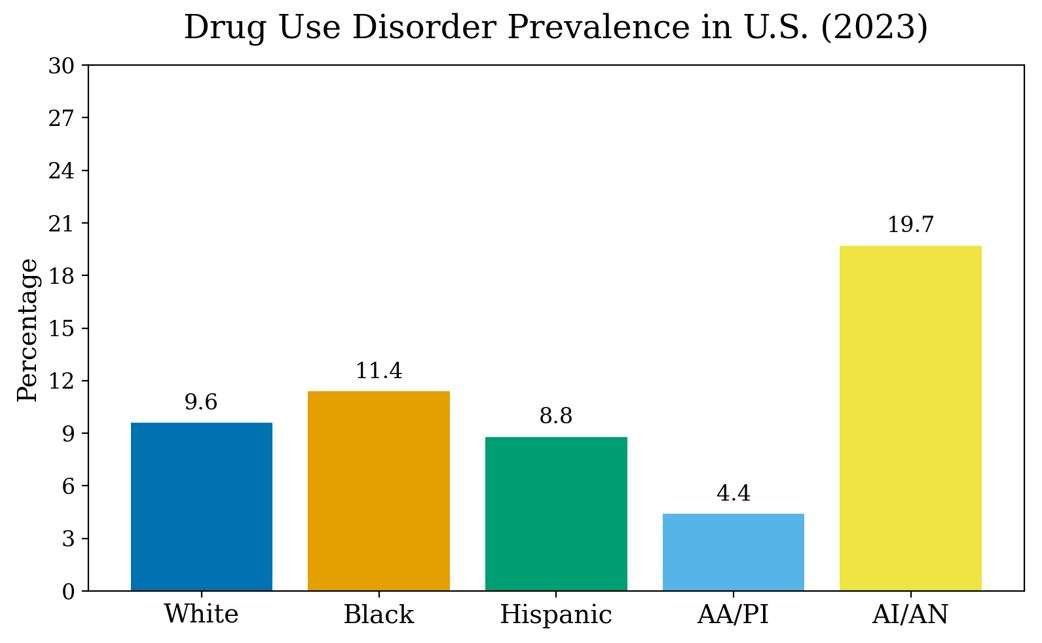
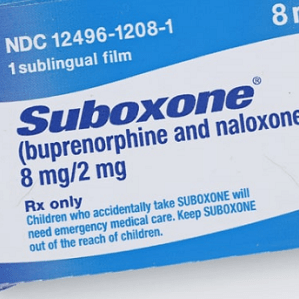
Racial and ethnic disparities in drug addiction are less about who uses drugs and more about who bears the greatest harm—and who is least likely to receive care.
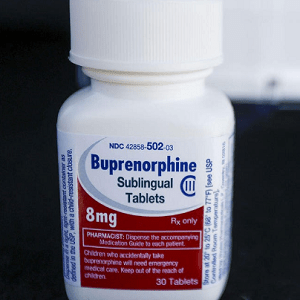
Black, Hispanic, and American Indian/Alaska Native communities now experience some of the highest and fastest-rising overdose death rates in the United States. Yet they are less likely to receive timely, evidence-based addiction treatment, including medications for opioid use disorder, and more likely to face systemic barriers and punitive responses.
As overdose remains a leading cause of preventable death, these inequities deepen longstanding racial health gaps. Closing them is essential to building an addiction treatment system rooted in equity, effectiveness, and justice rather than punishment.