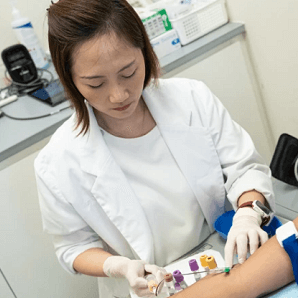
A pioneering study in Singapore is shedding new light on persistent health disparities among major Asian ethnic groups, offering critical insights into the causes and consequences of chronic disease. The Health for Life in Singapore (HELIOS) study, launched in 2018, has recruited more than 10,000 adults from Chinese, Malay, and Indian communities. These participants undergo exhaustive health assessments, including blood, urine, saliva, stool, and skin samples, as well as detailed questionnaires on lifestyle, diet, and mental health.
Indian and Malay participants show higher rates of diabetes, high blood pressure, obesity, and anxiety symptoms compared to Chinese participants—despite reporting higher physical activity and, in some cases, better diet quality. “A huge global conundrum is why South Asians have a higher risk of diabetes than Europeans,” notes John Chambers, principal investigator. What’s often not appreciated, he says, is that “those same disparities exist even within Asian populations.”
HELIOS combines whole-genome sequencing with metabolomic profiling, linking data to national health records and enabling researchers to identify region-specific genetic variants that impact disease risk. One recent finding is a genetic variant that alters cholesterol removal efficiency, common in Asians but rare elsewhere, helping explain higher prevalence of cardiovascular disease.
Jimmy Lee Chee Keong, a psychiatrist and principal investigator, emphasizes that community involvement and local leadership are essential. “It is critical that people of the south and southeast Asian regions be represented,” says Anurag Agrawal of Ashoka University.
See: “HELIOS: a microcosm of Asian health with global reach” (01 October 2025)
https://www.nature.com/articles/d41586-025-03097-2