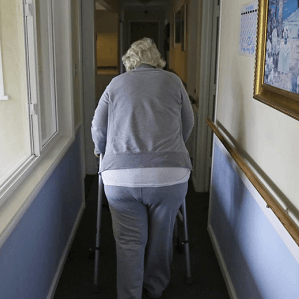
A new nationwide analysis shows that older adults of color face significantly worse outcomes and higher medical costs after being hospitalized for falls — a common and often devastating injury for Americans over 65. Researchers reviewed more than five million fall-related hospitalizations from 2017 to 2021 and found striking racial disparities in survival, complications, and the financial burden of care.
Non-White patients had higher in-hospital mortality than White patients and were more likely to experience complications, including cardiac, respiratory, infectious, and kidney problems. Their average hospital stay was longer, and their typical hospital bill was more than $2,000 higher — even after adjusting for age, income, and other health conditions. Despite needing more intensive care, these patients were less likely to be discharged to rehabilitation or other non-home facilities, a pattern the researchers suggest may reflect systemic barriers to post-acute care.
Black patients in particular faced sharply elevated risks for conditions such as acute kidney injury and cardiac complications. Asian and Pacific Islander patients also had higher mortality and the greatest increase in hospital costs. The authors note that these disparities persisted even when accounting for comorbidities and hospital characteristics.
The findings highlight how racial inequities shape outcomes long after the initial injury. Differences in access to timely treatment, care pathways, and social supports may contribute to these gaps, the authors write, warning that inequities in fall care mirror broader failures in the U.S. health system.
“Sex and race are associated with differences in clinical outcomes,” the researchers conclude, calling for reforms that ensure equitable care for all older adults.
See: “Sex and racial disparities in clinical outcomes and healthcare costs among hospitalized older adult fall patients: A nationwide analysis” (August 8, 2025)