Across the contiguous United States, nearly 47 million people live within about a mile of at least one piece of fossil fuel infrastructure, from oil and gas wells to refineries, power plants, storage sites, and pipelines. More than 14 percent of the population is potentially exposed to pollutants from this largely hidden network, and those exposures are not shared equally.
Researchers at Boston University School of Public Health report that these facilities are disproportionately clustered in predominantly nonwhite communities, creating what they describe as an environmental injustice across all stages of the energy supply chain. Prior research already links living near extraction and end-use facilities to higher risks of adverse birth outcomes and asthma, with emerging evidence for leukemia, and harmful pollutants such as volatile organic compounds have been detected near some mid-supply chain sites.
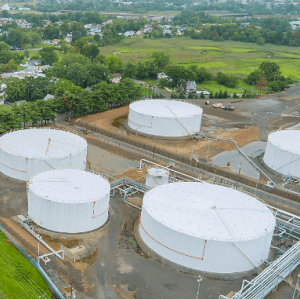
The new analysis shows that almost 21 million Americans live near end-use facilities such as power plants, and more than 20 million live close to extraction sites. Storage facilities have more than 6 million nearby residents, and about 9 million people live near multiple types of fossil fuel infrastructure at once, compounding possible exposures.
Urban residents, who are more likely to be people of color, bear much of this burden: almost 90 percent of people living near end-use, transportation, refining, and storage infrastructure are in urban areas. Study lead Jonathan Buonocore notes that identifying who lives near these sites is “the first step” toward understanding and reducing the health hazards they impose on affected communities.
See: “Nearly 47 Million Americans Could Potentially Be Exposed to Health Hazards Because They Live Within a Mile of Fossil Fuel Infrastructure” (November 17, 2025)