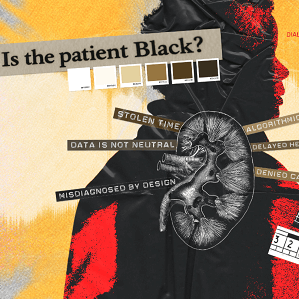
For years, a routine medical calculation quietly widened a deadly racial gap in kidney care. The story centers on the eGFR, a widely used equation that estimates kidney function. For Black patients, doctors added points solely because of race — a change that delayed the moment their kidneys were deemed to have failed.
That delay had life-or-death consequences. Black patients often reached the transplant list later, after years on dialysis. “By the time Black folks got on the transplant list, many either died on dialysis or their body was too weak to survive a kidney transplant,” the article reports. Today, nearly 27,000 Black Americans are waiting for a kidney, out of about 92,000 people nationwide.
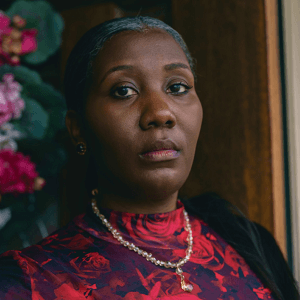
Craig Merritt lived this reality. During his three years tethered to a dialysis machine, he wondered why his path to transplant felt longer. He later learned the system “was stacked against him” because the race-adjusted eGFR exaggerated his kidney function. He recalls asking himself, “I got Black kidneys, and everybody else got white kidneys?” His wait time doubled only after the policy was reversed, and he finally received a kidney in 2023.
Jazmin Evans endured similar harm. Her race-adjusted score postponed both dialysis and placement on the transplant list. “There are people out there who will probably never know this happened to them,” she says.
Experts say race-adjusted algorithms were rooted in flawed science and rac
ist assumptions dating back centuries. Hospitals have now begun removing these tools, but the article notes that no database tracks how many Black patients died because of them.
See: “Is the Patient Black? Check this Box for Yes” (October 14, 2025)