When Joyvina Evans heard her doctor recommend a hysterectomy for her uterine fibroids, the response felt cold and dismissive. The thirtysomething public health professor had more than 20 noncancerous tumors causing heavy bleeding and fatigue, but she wasn’t ready to give up her fertility.
“I was shocked by the gravity and severity of a hysterectomy. I didn’t think we were at that point. I still wanted the option to have kids,” Evans said. She knew less invasive options existed and felt disappointed by the lack of individualized care.
Evans’ experience reflects a troubling pattern in women’s healthcare. Black women are diagnosed with uterine fibroids about three times as often as white women, with more severe cases and complications. Yet they’re at least twice as likely to undergo hysterectomy, with a third of these procedures performed during peak childbearing years.
Dr. Erica Marsh at the University of Michigan confirmed Evans didn’t need a hysterectomy. While the procedure can be life-changing for some patients, Marsh notes it remains the default recommendation too often, particularly affecting Black women disproportionately.
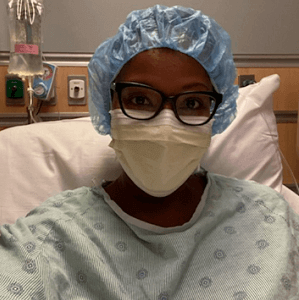
Evans underwent a myomectomy instead, preserving her uterus and freezing her eggs. She credits Marsh as one of the phenomenal physicians responsible for still having her uterus. “Whether I have children or not, it is still my choice and one I want to make with all of the information available,” she said.
Her experience inspired Advocating for My Uterus, a nonprofit providing reproductive health education resources.
See: “Woman seeks another answer for uterine fibroids after advice to undergo a hysterectomy” (February 3, 2025)