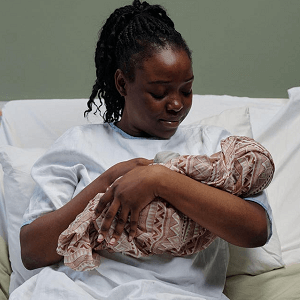
Despite national efforts to curb unnecessary cesarean deliveries, racial and ethnic gaps remain stark—and in some cases, have grown. A new analysis of more than 30 million U.S. births from 2012 to 2021 shows that while overall cesarean rates declined slightly, non-Hispanic Black individuals faced a rising risk compared with other groups.
Researchers found that 30.9% of births among non-Hispanic Black mothers were cesarean, the highest among all racial and ethnic groups. Adjusted risk ratios reveal the disparity widened over time: from 1.12 in 2012 to 1.17 in 2021. Among multiparous individuals without a prior cesarean, the gap was even more pronounced, with an adjusted risk ratio climbing to 1.33 in 2021.
“These findings suggest that systemic racism in obstetrics continues to shape trends in cesarean births,” the authors wrote, noting that structural factors—not biology—drive inequities. They cite implicit bias in clinical decision-making and population-level issues like redlining and unequal access to care as contributors.
While cesarean births can be lifesaving, they also carry higher risks of complications. Persistent disparities mean minority communities bear a disproportionate burden of these risks. The study calls for targeted quality improvement efforts, including continuous labor support and clinician bias training, alongside policy changes to dismantle systemic racism.
A decade after national guidelines aimed at reducing primary cesareans, the gap remains—and for Black mothers, it is growing.
See: “Racial and Ethnic Disparities in Cesarean Birth Trends in the United States” (November 17, 2025)