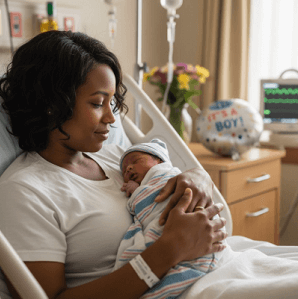
A new study examining 1.6 million childbirth hospitalizations in New Jersey reveals a troubling pattern in cesarean delivery rates among Black women. While Black patients with low-risk pregnancies were more likely than white patients to undergo cesarean sections, those with high-risk pregnancies were actually less likely to receive the procedure—even when clinical diagnoses indicated it was needed.
Alecia McGregor, assistant professor at Harvard T.H. Chan School of Public Health, said the misalignment in care was most pronounced among Black patients aged 35 to 39. Despite medical conditions that typically warrant surgical delivery, these patients were less likely to receive cesareans than their white counterparts.
Researchers could not pinpoint a single cause but suggested that financial incentives and physician discretion may be contributing factors. “Physician discretion may also play a role, and that could be where the racial bias is,” McGregor noted.
The findings raise concerns about both overuse and underuse of cesarean procedures in Black communities, depending on pregnancy risk level. The study calls for hospitals to be monitored on their use of cesareans by race and age to ensure equitable care.
With New Jersey having one of the highest Black maternal mortality rates in the country, the study underscores the urgent need to address racial disparities in obstetric care.
See: “Do Black women get C-sections more often than White women? It’s complicated.” (October 16, 2024)
