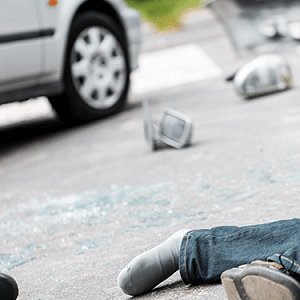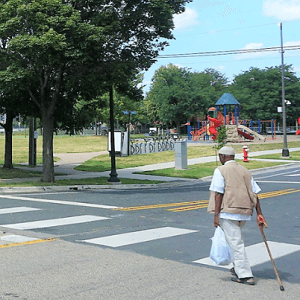
Pedestrian fatalities in the United States reveal stark racial disparities that demand urgent attention from policymakers and urban planners. Analysis of six years of national data from 2012 to 2017 shows that Black and Native American pedestrians face disproportionately higher risks of being killed while walking.
Black and Native American pedestrians were significantly more likely to be killed in darkness compared to White pedestrians. Among younger pedestrians under age 16, Black and Hispanic children faced elevated fatality risks. Asian pedestrians age 65 and older were 1.7 times more likely to be killed than their White counterparts.
Researchers Rebecca Sanders and Robert Schneider examined crash data alongside information about neighborhood characteristics and population patterns. Their findings suggest critical connections between roadway design and demographics that create risk factors affecting all pedestrians but disproportionately harm certain racial groups.
Overall pedestrian fatalities climbed alarmingly in recent years, reaching a nearly thirty-year high in 2018 and remaining elevated through 2020. During this period, pedestrians grew from 12% to 17% of all traffic fatalities. White pedestrians comprised approximately 50% of those killed, though this percentage declined slightly over time while Black pedestrian fatality rates rose.
The research underscores how population burden from pedestrian deaths is unequally distributed across communities. Understanding these disparities is essential for developing targeted interventions that protect vulnerable populations and address the underlying factors making certain neighborhoods more dangerous for pedestrians.
See: “An exploration of pedestrian fatalities by race in the United States” (June 1, 2022)