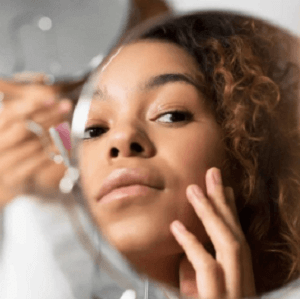
Artificial intelligence tools meant to advance dermatology are falling short for patients with darker skin tones due to biased training databases and inadequate representation, experts warned at the American Society for Dermatologic Surgery 2025 Annual Meeting in Chicago.
Dr. Cheryl Burgess of the Center for Dermatology and Dermatologic Surgery in Washington pointed to cultural biases embedded in AI systems. Internet searches for “beautiful women” still predominantly show White women despite modest improvements over the past decade. These biases carry over into medical AI models trained with insufficient images of skin of color.
A literature review published in International Journal of Dermatology found that current AI programs perform worse at identifying lesions in skin of color. Only 30 percent of programs reviewed reported data on their use specifically for darker skin tones, the authors noted, adding that significant development is needed for accurate representation in datasets.
Dr. Vivian Bucay, who practices in San Antonio, explained that aesthetic dermatology faces additional challenges because outcomes are subjective and pictures can be manipulated through angles and lighting. Real-world validation remains problematic since AI models are trained in research settings rather than practical clinical environments.
Dr. Jane Yoo, a New York City dermatologist, tested an AI scribe program and discovered translation errors that could create legal issues, such as documenting patients as “depressed” instead of “stressed.” Such mistakes affect insurance coverage, with dermatologists bearing full responsibility for AI-generated errors.
See: “Bias, Subjective Outcomes Slow AI Advances in Dermatology” (November 18, 2025)