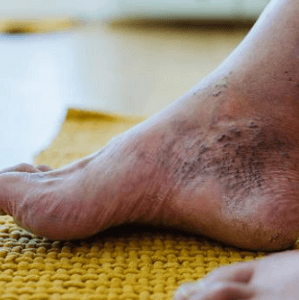
Peripheral artery disease afflicts millions of Americans, but Black patients bear a disproportionate burden of devastating outcomes. While Black and White Americans develop the disease at similar rates, the trajectory diverges sharply from there.
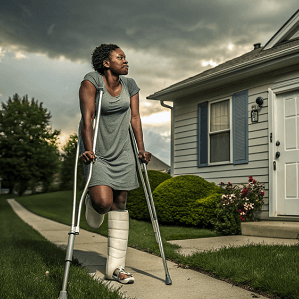
Black patients experience amputation rates up to 65 percent higher than White patients, along with elevated mortality rates. They consistently receive guideline-directed therapies less frequently than White patients. Despite presenting more often with advanced disease requiring urgent intervention, Black patients undergo revascularization procedures less often. Even when they do receive procedures, complications and first-year amputations occur at higher rates.
Multiple factors drive these disparities, including income level, insurance coverage and health care access. Geographic barriers play a significant role as well. Many regions, particularly in the South, suffer from what experts call “vascular deserts” where few specialists exist who are trained to treat vascular conditions. These deserts correlate with high rates of chronic limb-threatening ischemia and amputation.
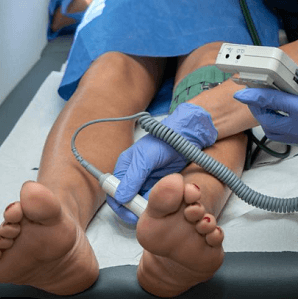
The disease affects between 21 and 27 million Americans overall, with numbers rising due to an aging population and the diabetes epidemic. Yet it remains grossly underdiagnosed and undertreated across all populations. In a striking failure of care, 60 to 80 percent of patients with chronic limb-threatening ischemia never receive an angiogram before amputation, and half to 70 percent undergo no revascularization attempt.
See: “Expanding the Cardiologist’s Lens: The Urgency of PAD Management” (December 1, 2025)