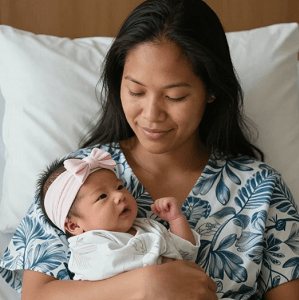
Despite ongoing concerns about overuse of cesarean deliveries in the United States, new data reveals troubling disparities in low-risk cesarean rates across racial and ethnic groups. A low-risk cesarean occurs when a single infant is delivered head-first at full-term to a first-time mother—situations where vaginal birth would typically be safest.
From 2016 to 2022, the overall low-risk cesarean rate remained essentially unchanged at around 26 percent. However, significant differences emerged among racial groups. Black non-Hispanic women consistently experienced the highest rates, reaching 30.8 percent in 2022. Native Hawaiian or Other Pacific Islander women saw their rate climb from 26.1 percent in 2019 to 30.1 percent in 2022. Asian non-Hispanic women’s rate increased to 29.2 percent by 2022, while white non-Hispanic women had rates around 24 percent.
These disparities matter because cesarean deliveries carry risks including infection, blood loss, blood clots, and complications in future pregnancies for mothers. Infants face breathing problems, gastrointestinal symptoms, and potential surgical injury. In 2014, the American College of Obstetrician and Gynecologists raised concerns about cesarean overuse, yet rates have continued rising.
The data also shows maternal age plays a crucial role, with women over 40 having a 53 percent low-risk cesarean rate compared to just 15 percent for women ages 15-19.
See: “Low-risk Cesarean Delivery” (January 1, 2024)