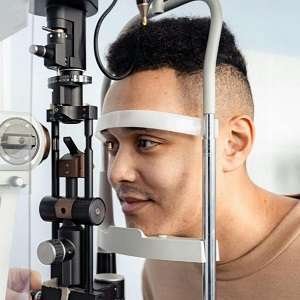
Glaucoma poses a particularly severe threat to African Americans, Latinos, and Asians, who face significantly greater risks than European Americans. These minority populations experience not only higher rates of the disease but also faster onset and more rapid progression of vision loss.
Elena Sturman, president and CEO of The Glaucoma Foundation, explains why glaucoma is called the “sneak thief of sight.” The disease causes no pain, no redness, and no early warning signs. Vision loss occurs gradually and slowly, with the brain compensating for changes until serious damage has already occurred. This insidious nature makes regular eye examinations critical for early detection.
African Americans confront multiple risk factors that compound their vulnerability. People with diabetes face twice the risk of developing glaucoma compared to those without the condition. Asians show increased susceptibility to less common forms including angle-closure glaucoma and normal-tension glaucoma. People over 40, along with those who have extremely high or low blood pressure, thin corneas, or nearsightedness, face elevated risks.
Sturman emphasizes that certain high-risk groups should begin regular eye examinations before age 40, particularly those with family members who have glaucoma or those belonging to at-risk communities. Early diagnosis offers hope, as treatments including eye drops, laser procedures, and incisional procedures can slow or prevent vision loss.
Despite the serious disparities, resources exist for New Yorkers through clinics and community centers. Medicare provides annual eye exams for individuals 65 and older meeting specific criteria, offering a pathway to early detection and treatment.
See: “Why You Should Be Aware of Glaucoma, the ‘Sneak Thief of Sight‘” (February 2, 2026)