Drowning deaths in America reveal stark racial inequities that have persisted for more than two decades. American Indian and Alaska Native people face the highest drowning death rates, twice that of white Americans, while Black people drown at 1.5 times the rate of whites, according to recent Centers for Disease Control and Prevention data.
These disparities begin with access to swimming instruction. Roughly 37% of Black adults cannot swim, compared to 15% of all adults. More than 60% of Black adults and 72% of Hispanic adults never took a swimming lesson.
Historical discrimination created lasting barriers. “When public swimming pools were racially desegregated, the reaction to that was for individuals and communities to invest money in private swimming pools,” says Jeff Wiltse, a University of Montana history professor who studies swimming pool access. Many public pools closed after desegregation in the 1960s, leaving Black families without affordable swimming options.
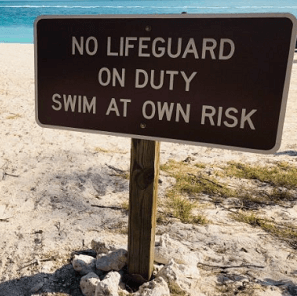
The consequences prove deadly. Black children are most likely to die in public pools, often at motels or hotels lacking lifeguards, while white children typically drown in residential pools. After declining from 1999 through 2003, drowning rates for Black children remained stable through 2019, even as rates for white and Hispanic children continued falling.
Dr. Tessa Clemens, a CDC health scientist, emphasizes the urgency: “Progress towards eliminating drowning in the United States will only occur if we address these inequities and reduce drowning death rates in all groups.”
See: “Racial disparities in drowning deaths persist, research shows” (May 16, 2024)
