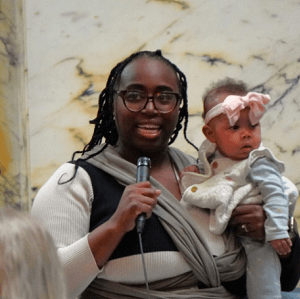
In a searing first-person account, physician-in-training Naa Asheley Ashitey describes planning a future pregnancy like a high-risk mission: as a Black woman who has watched the medical system harm her own mother, she anticipates spending a year preparing simply to lower her risk of dying in childbirth. Her white mentor is stunned; he has never had to imagine his partner engineering her survival in the delivery room.
Ashitey notes that Black women in the U.S. are three to four times more likely to die from pregnancy-related complications than white women, even when they hold doctorates and six-figure salaries. High-profile cases like Serena Williams and Beyoncé, she writes, sit alongside countless unnamed Black women whose experiences expose racism — not education or income — as the driving force behind these disparities.
The piece links these outcomes to a long history of medical racism, from J. Marion Sims’ unanesthetized surgeries on enslaved Black women to the exploitation of Henrietta Lacks and the terror of the so‑called “Night Doctors” in Baltimore. Ashitey argues that these are not relics; a viral video of a Black woman screaming through ignored labor pains, she says, reflects normalized behavior in contemporary healthcare.
Bias, she warns, has concrete clinical consequences: Black patients are less likely to receive pain medication, Black women’s pain is more often dismissed as anxiety, Black babies are more likely to die under white physicians’ care, and Black women’s pregnancy complications are less likely to be taken seriously until they become emergencies.
See: “Black Women Shouldn’t Have to Engineer Their Survival in the Delivery Room” (November 21, 2025)