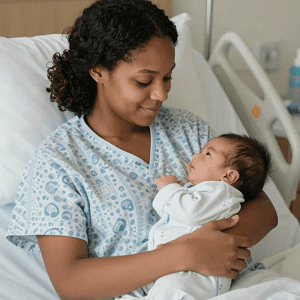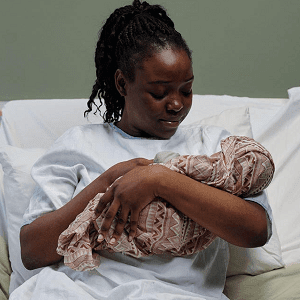
California is working to reduce unnecessary cesarean deliveries, especially among low-risk pregnancies, but disparities persist across hospitals and communities. According to the state’s Let’s Get Healthy California initiative, cesarean births—while sometimes medically necessary—can pose avoidable risks when performed on low-risk patients. These include surgical complications, longer recovery, and increased risks in future pregnancies.
In 2022, the state’s low-risk cesarean birth rate stood at 25.2%, with a goal to lower it to 23.6% by 2034. While the rate has plateaued, deeper issues remain. Hospital-level variation ranges from 12% to 35%, suggesting that institutional culture and clinician attitudes may be driving decisions more than patient health factors.
Nearly half of California’s births are covered by Medi-Cal, and cesarean deliveries cost nearly 50% more than vaginal births. The state has seen a rise in vaginal births after cesarean (VBAC), increasing from 4.4% in 2008 to 13.1% in 2022, signaling progress in reducing repeat surgeries.
However, demographic disparities are evident. Data show that race, age, and education level influence cesarean rates, with Black and Latino patients often experiencing higher rates of surgical delivery. These patterns raise concerns about equity and the need for targeted interventions.
California’s efforts include community programs and hospital recognition for meeting national goals, but continued focus on provider practices and patient advocacy is essential to ensure safe, equitable births for all.
See: “Reducing Low-Risk Cesarean Births” (accessed October 22, 2025)