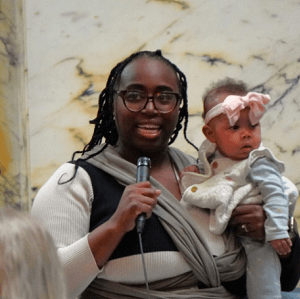
Black women in the U.S. are three times more likely to die from pregnancy-related complications than white women. This alarming disparity persists even among those with higher education and income, revealing deep-rooted inequities in the healthcare system.
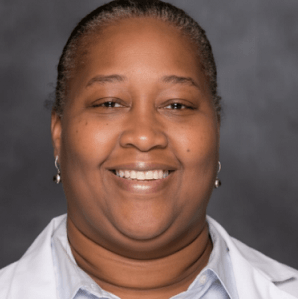
Dr. Damali Campbell-Oparaji, a Rutgers Health expert, points to a combination of factors fueling this crisis: preeclampsia, high blood pressure, diabetes, limited access to care, economic barriers, and implicit bias. “Some colleagues say, ‘I treat everyone the same,’ but that mindset is part of the problem,” she said. “We need to meet patients where they are.”
At Rutgers New Jersey Medical School, efforts to close the gap include a doula program, a pregnancy clinic for early care, and the Healthy Moms Clinic for ongoing support. These initiatives aim to provide culturally competent care and address the social determinants that often go unrecognized.
Campbell-Oparaji urges Black mothers to advocate for themselves—write down questions, ask for explanations, and bring a trusted person to appointments. She also calls on healthcare institutions to examine their policies and adopt evidence-based protocols that reduce bias in treatment.
Black Maternal Health Week, held each April, is a time to reflect and act. “It gives us an opportunity to examine our practices and see how we can change to meet the needs of all patients,” Campbell-Oparaji said.
See: “Closing the Gap: Addressing Black Maternal Health Disparities” (April 8, 2025)