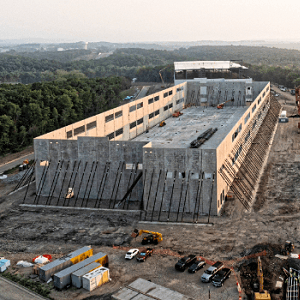
As the demand for artificial intelligence infrastructure surges, so does the construction of massive data centers—often in communities already burdened by pollution and health disparities. A new analysis by the Kapor Foundation warns that these facilities, touted as engines of innovation, may be exacerbating environmental injustice, particularly in communities of color.
In California, nearly one-third of all operational and planned data centers are located in the top 10% of areas most polluted by diesel particulates. These centers often rely on backup diesel generators, emitting harmful pollutants like PM2.5, sulfur dioxide, and nitrogen oxides. A 2024 study projected that data centers could contribute to 600,000 asthma-related cases by 2030, with public health costs exceeding $20 billion.
Bayview-Hunters Point in San Francisco exemplifies the issue. Once a hub for Black residents displaced by redlining, the neighborhood now hosts a $500 million data center project by Novva, which markets itself as “the greenest data center ever created in the area.” Despite using biofuels and waterless cooling, critics argue that Novva’s sustainability claims ignore the cumulative environmental burden on a historically marginalized community already plagued by industrial pollution and high asthma rates.
The report emphasizes that location is not neutral. Data centers are increasingly sited in areas with limited political power and high pollution levels, continuing a legacy of environmental racism. Promises of job creation often fall short, while the health risks remain.
To address these disparities, the report calls for updated zoning laws, mandatory health impact assessments, and greater transparency from tech companies. Without these safeguards, the digital economy’s growth may come at the cost of public health in communities least equipped to bear it.
See: “Data Center Boom Risks Health of Already Vulnerable Communities” (June 12, 2025)