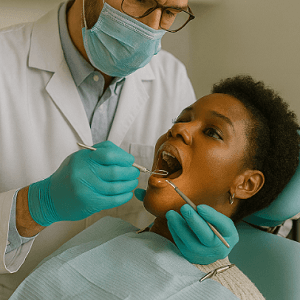
Discrimination in dental offices remains widespread across America, particularly affecting people of color, younger adults, and those with limited economic resources. A national study analyzing responses from more than 10,900 adults reveals how these negative experiences shape whether patients delay care, avoid it entirely, or never seek treatment at all.
Researchers at Virginia Commonwealth University examined data from the 2022 and 2023 State of Oral Health Equity in America survey, using an analytical approach that identified six distinct patient groups based on shared characteristics including race, income, insurance coverage, and experiences of discrimination or microaggressions during dental visits.
The findings confirmed that younger, more racially and ethnically diverse, lower-income adults reported higher rates of discrimination in dental settings. These experiences frequently coincided with delayed care, fewer preventive visits, and poorer self-rated oral health.
Yet the research also uncovered unexpected patterns of resilience. One group, labeled “America in Transition,” consisted of predominantly female, racially diverse young adults who reported discrimination at rates similar to other marginalized populations but showed comparatively strong oral health outcomes, including higher rates of recent dental visits and preventive behaviors.
Sarah Raskin, who led the study, emphasized that “findings like these should inspire dental education and practice to develop assets-based, trauma-informed, and culturally humble models of care.” The research suggests that discrimination in healthcare settings functions as a structural force influencing whether patients feel safe and respected enough to seek care.
See: “Beyond disparities: What a new study reveals about bias and resilience in dental care” (January 20, 2026)