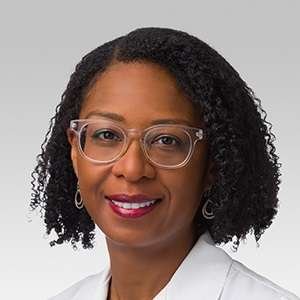
Dinee Simpson has revolutionized transplant access for Black Americans by founding the African American Transplant Access Program at Northwestern Medicine, the first initiative of its kind in the nation specifically designed to dismantle barriers preventing Black patients from receiving lifesaving organ transplants. As one of only nine Black female transplant surgeons in the United States and now Northwestern Medicine’s first Chief Health Equity Executive, Simpson addresses the stark reality that only 26 percent of Black patients waiting for organs receive transplants—nearly half the rate of white patients.
Simpson’s research revealed devastating disparities: Black patients with cirrhosis have higher mortality rates and are four times less likely to receive liver transplants than white patients in Chicago’s seven major liver centers. Black Americans experience end-stage kidney disease at disproportionately higher rates yet face decreased access to transplantation, often being referred at advanced disease stages and waiting on dialysis for seven to nine years before evaluation.
The AATAP, launched in 2019, operates on four pillars: cultural congruency, trust-building, health literacy, and psychosocial support. Simpson personally conducts lengthy initial evaluations with Black patients, using lay language and addressing myths about transplantation that exacerbate healthcare distrust. The program achieved remarkable results within one year: a 55 percent increase in evaluations of Black patients and 18 percent increase in transplant listings. Simpson established satellite clinics and community outreach, bringing transplant services directly into underserved Chicago neighborhoods.
Her work extends beyond clinical practice to systemic change. Simpson co-authored influential research on dismantling structural racism as the root cause of transplant disparities, chaired the American Society of Transplant Surgeons’ Boldly Against Racism Task Force, and serves on the National Kidney Foundation of Illinois board. She emphasizes that achieving health equity requires recognizing that different groups face different barriers, demanding institutional and structural solutions rather than treating all patients identically.
Learn more:
– Northwestern Medicine AATAP program: https://www.nm.org/conditions-and-care-areas/organ-transplantation/african-american-transplant-access-program/
– Breakthroughs podcast interview: https://www.feinberg.northwestern.edu/research/podcast/The-Northwestern-Medicine-African-American-Transplant-Access-Program-with-Dinee-Simpson-MD.html
– NBC News video feature: https://www.nbcnews.com/nightly-news/video/doctor-starts-program-to-close-the-gap-for-black-organ-transplant-patients-113948741773