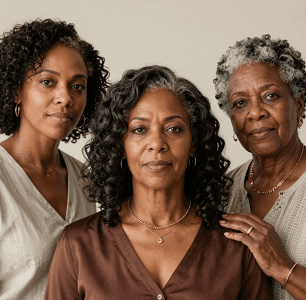
Uterine fibroids affect up to 80% of women during their lives, but the burden falls disproportionately on women of African descent. These women face higher rates of fibroids and experience more severe cases compared to other populations, creating a significant health disparity that demands attention.
Nearly half of all women with fibroids develop symptoms serious enough to impact their quality of life and fertility, including intense pain and anemia. For Black women, these problems tend to be worse. The condition’s incidence increases with age until menopause, but African-descent women consistently show higher rates throughout their lives.
Early detection could help reduce these racial disparities in outcomes. When fibroids are identified early, they’re typically smaller and less extensive, making treatment clinically less complicated. Dr. Ebbie Stewart, a gynecologist and reproductive endocrinologist at Mayo Clinic, emphasizes that “early diagnosis and treatment of uterine fibroids can help reduce this health disparity among women of African descent.”
Currently, diagnosis happens too late for many patients. Women often don’t receive screening until fibroids have already enlarged or symptoms appear. This delayed detection may particularly harm Black women who already face more aggressive disease progression.
Researchers recommend future studies focus on screening younger women, especially young women of African descent and those with strong family histories of fibroids. Understanding whether early intervention reduces long-term risks could transform care for populations most affected by this common yet unequal condition.
See: “Early Detection Helps Personalize Treatments for Uterine Fibroids” (December 16, 2025)