Black and Brown communities are paying the highest price for America’s dependence on oil, gas, and coal, a new report warns, with fossil fuel pollution driving asthma, heart disease, neurological damage, and adverse birth outcomes. The harms begin at extraction and continue through refining, transportation, and combustion, with even waste products like coal ash making people sick.
The coalition of medical and health organizations behind “Fueling Sickness: The Hidden Health Costs of Fossil Fuel Pollution” finds that fossil fuels are damaging public health “in more ways than most people realize,” with widespread injury to the lungs, heart, brain, and other organs. Black and Brown Americans bear a disproportionate share of that burden as society keeps burning methane, gasoline, and even coal.
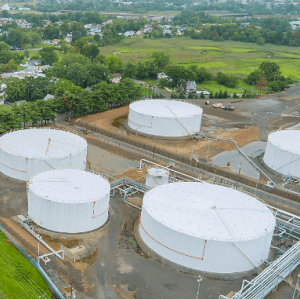
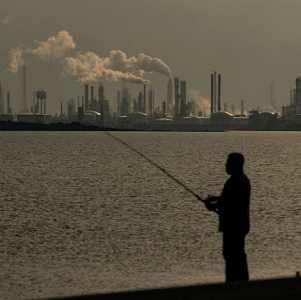
Historical redlining, lending discrimination, exclusionary land use, disinvestment, and urban renewal have pushed low-income residents and communities of color into neighborhoods packed with highways, factories, power plants, and petrochemical facilities. As a result, a higher percentage of racial minorities are exposed to particulate matter and ozone, fueling higher rates of childhood asthma and other respiratory conditions.
The report also links fossil fuel pollution to neurodegenerative disease, mental health and kidney problems, hormonal disruption, and reproductive harms, including strong associations with low birth weight and preterm birth near power plants and petrochemical industries that Black Americans are much more likely to live beside. A broad alliance, including Physicians for Social Responsibility and the National Medical Association, argues that rapidly transitioning away from fossil fuels is not only an environmental necessity, but “a public health imperative” and the most powerful strategy to protect health in overburdened communities.
See: “Fossil Fuels Are Poisoning Black America” (November 10, 2025)