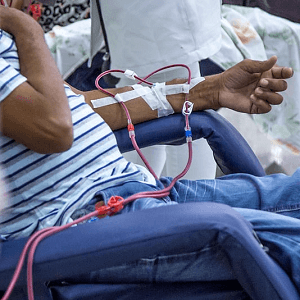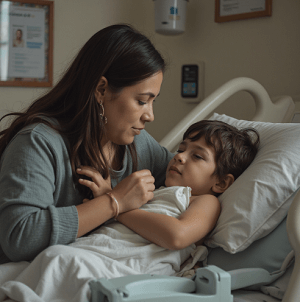
Despite being one of the fastest-growing populations in the United States, Hispanic communities continue to face severe inequities in health care access and outcomes, according to a report published by PPL First, a company that provides programs and resources to support community health and caregiving.
Insurance remains a major barrier. In 2020, 18.3% of Hispanics were uninsured compared to just 5.4% of whites. That gap represents nearly 11 million people without reliable access to medical services. Lack of coverage translates into lower use of preventive care and higher risks of chronic illness. For example, while diabetes occurs at similar rates among Hispanics and whites, Hispanics are about 33% more likely to die from the disease.
The disparities extend across multiple measures of health. Hispanic families are less likely to have a regular doctor, receive checkups, or get flu shots. Preventive screenings such as mammograms and colonoscopies are used less often, while HIV and AIDS rates are nearly four times higher than among whites. Mental health care is also lacking—only 36% of Hispanics reported receiving behavioral health treatment, compared with 52% of non-Hispanic whites.
Underlying factors drive these inequities. Poverty affects 17% of Hispanic families, compared with 10% of whites, limiting access to healthy food, safe housing, and transportation. Language barriers and cultural differences compound the challenges, while structural racism and implicit bias continue to result in substandard care for many patients of color.
See: “Healthcare Inequity in the Hispanic Community” (September 26, 2024)