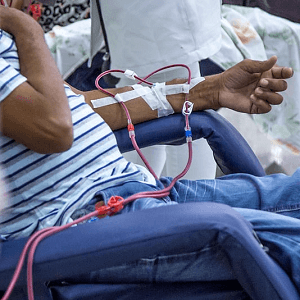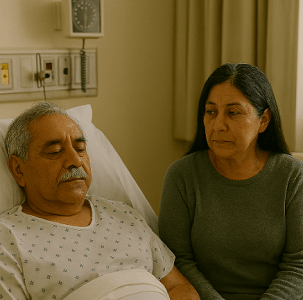
Hispanic patients with serious illnesses face significant barriers in accessing palliative care, according to a new analysis from the Center to Advance Palliative Care. With Latinos projected to represent nearly one in four Americans by 2035, gaps in culturally responsive care are poised to affect millions.
Language is a major obstacle. Forty-four percent of Hispanic patients report communication problems due to language and cultural differences, which can worsen health outcomes. Families often find themselves forced into roles they are unprepared for—such as children translating complex medical information for gravely ill relatives. Even when translation services exist, they are frequently limited to phone or video, restricting the empathy and clarity that in-person conversations provide.
Cultural values also play a role. Many Hispanic patients equate palliative care with “giving up” or hastening death, a misconception that discourages them from seeking supportive services. Family is central in decision-making, with adult children often assuming heavy caregiving duties that can lead to exhaustion and burnout. Yet health systems rarely provide enough support to caregivers, leaving gaps in both patient and family well-being.
Access adds another layer of disparity. Hispanic adults are more likely to rely on community clinics that they trust, but these centers often lack specialty palliative services. Financial strain further compounds the problem: nearly a quarter of Hispanics lack health insurance, the highest rate of any U.S. racial or ethnic group. Without coverage, patients risk overwhelming debt and missed opportunities for comfort-focused care.
See: “Language, Culture, and Trust: Addressing Gaps in Palliative Care for Hispanic Patients” (July 17, 2025)