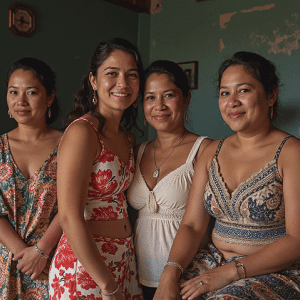
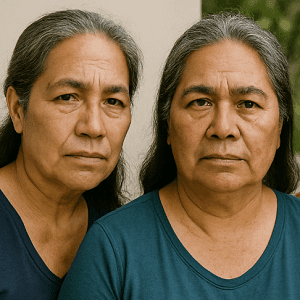
A major study has revealed that Asian American, Native Hawaiian, and Pacific Islander (AANHPI) women who have never smoked face significantly higher rates of lung cancer than previously recognized. Using data from over 1.2 million women across California and Hawai’i, researchers found that nearly 44% of AANHPI women diagnosed with lung cancer had never smoked—almost double the rate seen in non-Hispanic White women.
Chinese American women showed the highest incidence among never-smokers, with a rate of 22.8 per 100,000, more than twice that of their White counterparts. Filipinx and other Asian groups also had elevated rates, while Japanese American women were the only group with lower incidence. “Our study dispels the myth that AANHPI females are at reduced risk of lung cancer,” the authors wrote.
The most common cancer type among never-smoking women was adenocarcinoma, accounting for 77% of cases in AANHPI women. The findings challenge current assumptions and highlight the need for disaggregated data. Historically, AANHPI populations have been studied as a single group, masking disparities among ethnic subgroups.
Researchers suggest that environmental exposures, genetic factors, and cultural practices may contribute to the elevated risk, but more studies are needed. Known risk factors such as secondhand smoke, air pollution, and cooking oil fumes have not been adequately studied in these populations.
This study underscores the urgency of tailored screening and prevention strategies for AANHPI women, especially those who have never smoked.
See: “Incidence of Lung Cancer Among Never-Smoking Asian American, Native Hawaiian, and Pacific Islander Females” (August 4, 2021)