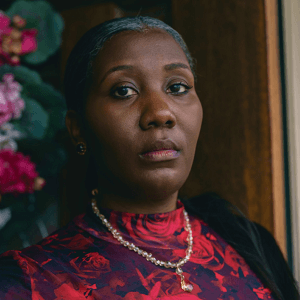
For 40-year-old Tamika Smith, the decision to decline organ donor registration is rooted in a lifetime of medical dismissal. After spending years in debilitating pain and seeing nine gynecologists before finally receiving an endometriosis diagnosis, her refusal stems from deep-seated suspicion. “I stay on top of my preventative care, but I don’t trust them,” Smith says of the medical system, describing her interactions with healthcare providers as “toxic.”
This sentiment reflects a broader crisis of confidence. A recent survey reveals that 57.6% of Black adults do not believe Black patients receive the same respect and dignity as other transplant patients. Lillie Williamson, a communication science professor, argues that this mistrust is not merely a relic of historical atrocities like the Tuskegee study but is driven by modern, lived experiences of marginalization. She notes that the institutions that “surveil, arrest, and neglect Black Americans” are often the same ones demanding trust during medical emergencies.
The consequences of this erosion of trust are severe for racial health disparities. While Black Americans make up only 13% of the U.S. population, they account for roughly 30% of those waiting for a kidney transplant. Dr. Anthony Watkins, a transplant surgeon, emphasizes that the burden lies on medical organizations to address these systemic inequities. Until societal issues are rectified, the cycle of mistrust will continue to limit donor registration and exacerbate the shortage of lifesaving organs for minority communities.
See: “Why Black Folks Say ‘No’ to Organ Donation” (December 2, 2025)