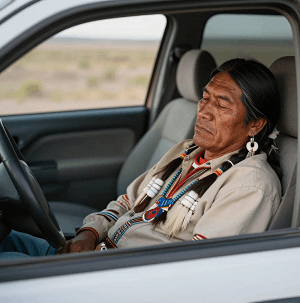
American Indian and Alaska Native communities face a methamphetamine crisis of alarming proportions, with usage rates nearly four times higher than the general U.S. population. Between 2015 and 2019, approximately 26 out of every 1,000 AI/AN individuals used methamphetamine, compared to just 7 per 1,000 among other Americans.
This disparity concentrates heavily in rural areas, where an estimated 62% of AI/AN methamphetamine use occurs, compared to only 20% in non-Native populations. The crisis particularly affects middle-aged individuals and those earning less than $20,000 annually, highlighting how poverty and geographic isolation compound the problem.
Researchers analyzing national survey data found that AI/AN methamphetamine users were predominantly male and frequently struggled with severe mental illness and other substance dependencies. Males had twice the odds of methamphetamine use compared to females within AI/AN communities.
The health consequences extend beyond individual users. Families face increased risks of child abuse and neglect, while communities grapple with elevated criminal activity and infectious disease transmission. Methamphetamine-related overdose deaths now occur at the highest rates among AI/ANs compared to all other racial and ethnic groups.
Experts emphasize the urgent need for culturally appropriate prevention and treatment programs. Limited access to tribal-sponsored methamphetamine treatment and vast distances to healthcare facilities create additional barriers, particularly in rural communities where the crisis hits hardest. Without comprehensive intervention efforts that leverage cultural strengths, these already-vulnerable communities risk further depletion of scarce resources.
See: “Methamphetamine use among American Indians and Alaska Natives in the United States” (October 1, 2021)