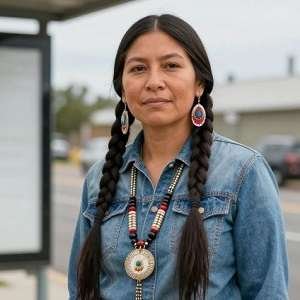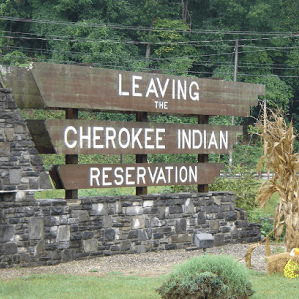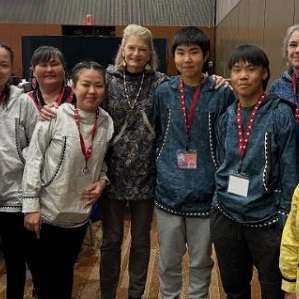
The murders and disappearances of Indigenous women and girls represent a public health catastrophe that has persisted for decades with minimal national attention. In 2022, federal authorities documented 5,487 cases of missing Native American and Alaska Native women and girls, with most involving children under 18. Research indicates Indigenous women are murdered at rates at least ten times higher than the national average in some counties, though inadequate record-keeping obscures the full scope of this crisis.
This disparity stems from systemic failures rooted in what Laura Flanders describes as longstanding white racism, jurisdictional gaps in tribal justice systems, and chronic underfunding of investigations and prosecutions. Four Indigenous congresswomen achieved a breakthrough when they passed the Not Invisible Act, creating a commission that heard testimony from 260 witnesses including tribal leaders, survivors of human trafficking, and grieving families.
The commission’s 2023 report detailed these problems and recommended urgent federal action for investigation, prosecution, prevention and care. However, the report vanished from the Justice Department website after Donald Trump resumed office in early 2025. Federal funding to Native nations was slashed by nearly half, and the Office on Violence Against Women, which supported resources for murdered and missing Indigenous persons, now shows no open funding opportunities.
Flanders argues that addressing violence against Indigenous women requires fundamental cultural change beyond high-profile prosecutions, stating that finally cherishing Indigenous women and girls would demonstrate genuine progress against colonial cruelty.
See: “Silenced Reports & Epstein Files: Murdered & Missing Indigenous Women Still Don’t Make News” (November 24, 2025)