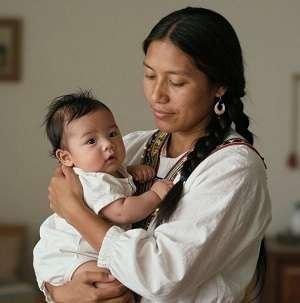
A new study reveals that Native American life expectancy has been significantly underestimated for years, exposing a deeper health crisis than previously acknowledged. Researchers found that American Indian and Alaska Native (AI/AN) individuals live, on average, 6.5 years less than the national average—placing their life expectancy at just 72.7 years, a figure more aligned with developing nations.
The disparity stems largely from racial misclassification. According to the study, 41% of AI/AN deaths were incorrectly recorded, often as “White,” in the CDC’s WONDER database. This error masked the true mortality rate, initially reported as only 5% higher than the national average. When corrected, the actual rate was 42% higher.
Nanette Star, director of policy and planning at the California Consortium for Urban Indian Health, emphasized that this misclassification “really does result in that invisibility in our health statistics.” In urban areas like Los Angeles, Native individuals are frequently misidentified as Latino or multiracial, further distorting public health data.
Star stressed that the lack of accurate data is not just a statistical issue—it’s a barrier to justice. “If you don’t have those numbers to support the targeted response, you don’t get the funding for these interventions or even preventative measures,” she said.
California, home to the largest AI/AN population, has a unique opportunity to lead in correcting these systemic issues through better training, data collection, and tribal partnerships.
See: “Native American life expectancy is lower than previous estimates show” (June 18, 2025)