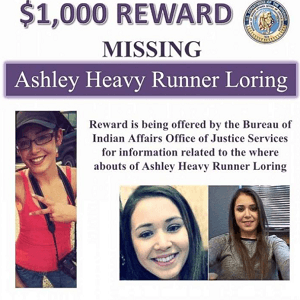
Native Americans and Alaskan Natives experience disproportionately high rates of murder, rape and other violent crimes, an outcome experts attribute to generational trauma and systemic abuse. At least 4,300 cases of unsolved violent crimes against Native Americans remain open across the country, representing a public health crisis that continues to devastate indigenous communities.
Operation Not Forgotten, a Justice Department program being continued under President Trump, will deploy 60 personnel including FBI agents over six months to investigate these cold cases. The agents will rotate through 10 field offices in 90-day assignments, working to address what Assistant U.S. Attorney Eliot Neal calls a crisis requiring urgent action.
The epidemic of violence creates profound intergenerational trauma. Families like the Toyas of Jemez Pueblo struggle with unresolved grief after losing daughter Shawna in 2021. Her children needed counseling, and her son no longer goes to bed hoping his mother will return. Attorney Darlene Gomez notes the justice system owes Native Americans respect and diligence in solving these cases.
Multiple barriers prevent resolution: jurisdictional confusion between tribal, county and federal authorities, lack of law enforcement resources in remote areas, and insufficient evidence to prosecute. U.S. attorneys most commonly decline Indian country cases due to inadequate evidence. The remoteness of reservations, limited cell and radio service, and delayed response times compound these challenges.
Family members like Georgiana Harrison, whose sister Ranelle Rose Bennett has been missing since 2021, believe community members withhold crucial information while families continue suffering.
See: “Operation Not Forgotten dedicates FBI agents to cold cases as Native families seek answers” (June 30, 2025)