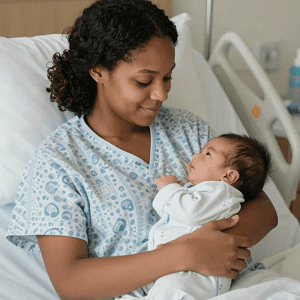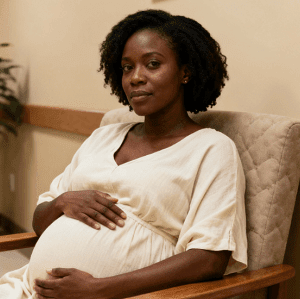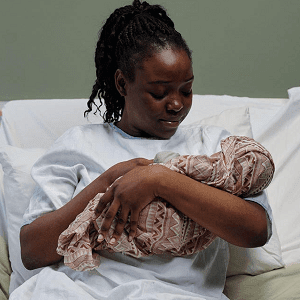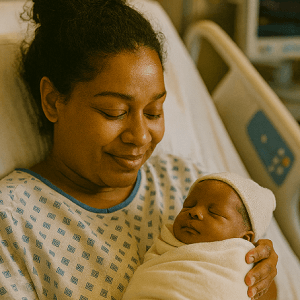
New Jersey is making strides in maternal health, reducing unnecessary Cesarean deliveries through targeted policy reforms. A new analysis from Rutgers School of Public Health shows the state’s low-risk Cesarean birth rate dropped from 30.2% in 2016 to 27.3% in 2023. Among Medicaid patients, the rate fell even further—from 24.8% to 21.3%—highlighting the impact of the Nurture NJ initiative.
Cesarean births, while sometimes medically necessary, carry risks and are more common among Black, non-Hispanic women. The Rutgers report emphasizes that racial disparities in low-risk Cesarean rates remain, even as overall numbers improve.
Assistant Professor Slawa Rokicki, who led the analysis, noted, “It is encouraging to see the amount of progress New Jersey has made… and we hope to see further reductions as well as narrowing of the racial gaps in the coming years.”
Nurture NJ, launched by First Lady Tammy Murphy, includes reforms such as limiting insurance payments for nonmedically indicated early elective deliveries, expanding Medicaid coverage for doulas, and equalizing provider payments. Murphy said, “We are well on our way to becoming the safest, most equitable state in the nation to deliver and raise a baby.”
Despite the progress, the report calls for continued efforts to confront provider bias and ensure equitable care. The findings underscore the importance of sustained investment in maternal health, especially for communities historically impacted by disparities.
See: “New Jersey Makes Progress in Reducing Unnecessary Cesarean Deliveries and Supporting Maternal Health” (June 19, 2025)