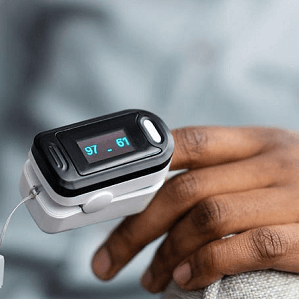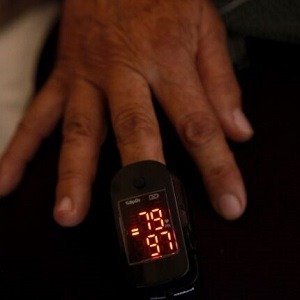
An FDA-funded study intended to clarify racial bias in pulse oximeters has instead produced puzzling results that contradict previous research. Pulse oximeters, devices widely used to measure blood oxygen levels in hospitals and clinics, have long been suspected of working less accurately on patients with darker skin tones.
Previous research spanning decades suggested these devices systematically overestimated oxygen levels in patients with darker skin, potentially delaying necessary medical care. This issue gained national attention during the Covid pandemic when pulse oximeters were ubiquitous and data indicated disparities in how the devices performed across racial groups.
Researchers at the University of California San Francisco studied 631 patients, comparing pulse oximeter readings with more accurate arterial blood gas tests. Surprisingly, they found pulse oximeters underestimated oxygen levels rather than overestimating them. Michael Lipnick, an anesthesiologist at UCSF and study author, noted this contradicts earlier findings. The unexpected results mean a universal correction factor for darker skin tones would not be effective.
The confusing findings leave clinicians uncertain about how to address the racial disparities in device accuracy. Jack Iwashyna, a critical care physician at Johns Hopkins University, said the study revealed a fundamental lack of understanding about how pulse oximeters perform in sick patients.
Future research faces obstacles as health disparity studies are caught up in the Trump administration’s opposition to diversity programs. Lipnick said no FDA funding opportunities exist for follow-up studies despite many unanswered questions.
See: “FDA-funded study of pulse oximeter accuracy yields surprising and confusing results” (January 12, 2026)