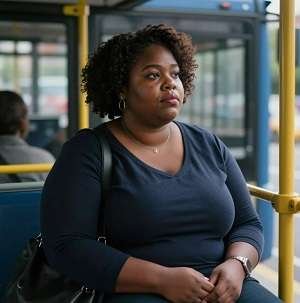
Obesity is not a personal failing but rather a complex health challenge driven by social and economic barriers that disproportionately affect Black Americans, according to new guidance from the American Heart Association.
Black children and adults face the highest obesity rates in the nation, along with low-income families, rural residents, and those with limited education. Yet genetic predisposition is not the primary cause of these elevated rates, the research paper reveals.
Dr. Fatima Cody Stanford, an associate professor at Massachusetts General Hospital and Harvard Medical School, emphasized that people with fewer resources struggle more with weight due to multiple factors, from the type of jobs they hold to whether their neighborhoods are quiet enough for quality sleep. “We must recognize that obesity is not a personal choice,” Stanford said. “It is highly influenced by multiple social and environmental factors.”
Since 1960, adult obesity has surged from just over 13% to more than 42% by 2018. Currently, around 4 in 10 adults and more than 21% of children ages 2 to 19 are affected, significantly increasing their risk for high blood pressure, cardiovascular disease, and Type 2 diabetes.
Shift work, noisy neighborhoods, and intense nighttime lighting disrupt sleep-wake cycles, contributing to obesity risk. Meanwhile, weight-loss medications like Wegovy and Ozempic remain unaffordable for most low-income patients. Compounding the problem, overweight individuals face widespread stigma and discrimination in workplaces, healthcare settings, education, and media.
Stanford advocates for culturally informed weight management programs, improved affordability of culturally appropriate foods, increased physical activity access, and insurance coverage for obesity medications to address this public health crisis.
See: “Obesity Isn’t a Personal Failure: How Black Americans Face Higher Risks” (January 19, 2026)