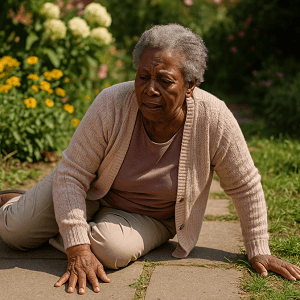
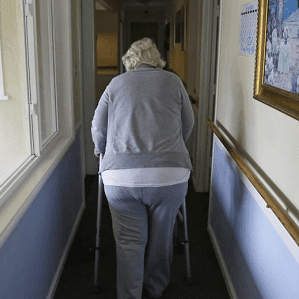
Across the United States, falls are the leading cause of injury and injury death for adults ages 65 and older, affecting millions annually. The latest CDC report shows notable disparities by race and ethnicity. Nonfatal and fatal fall rates are highest for non-Hispanic White and non-Hispanic American Indian or Alaska Native seniors, while Asian and Black older adults report significantly lower percentages. Nationally, 27.6% of older adults had at least one fall in 2020 and 78 per 100,000 died in 2021, but among Whites and American Indians/Alaska Natives, rates reached 28.8% and 35.6% (reporting falls), and 89.4 and 57.3 per 100,000 (deaths), respectively.
Men had higher death rates from falls (91.4 per 100,000) than women (68.3), despite women reporting more nonfatal falls. Various states show dramatic differences—Wisconsin stood out with 176.5 deaths per 100,000, while Alabama’s rate was just 30.7. The report points to social and geographic factors, with higher nonfatal falls in rural counties and mountain states, and emphasizes that falls are preventable.
Experts believe that differences in chronic illnesses, disability, alcohol use, and access to fall prevention programs contribute to these gaps. The CDC urges all healthcare providers to screen seniors for fall risk, intervene with targeted strategies, and address individual risk factors through therapy, home safety improvements, and medication reviews. Culturally targeted outreach and state-level action are needed to reverse rising death rates—now at the highest point in two decades.
See: “Nonfatal and Fatal Falls Among Adults Aged 65 Years United States, 2020–2021” (September 1, 2023)