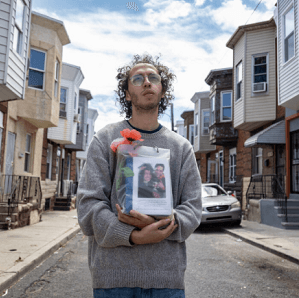
Unintentional overdoses have become the second-leading cause of death among Puerto Rican residents in Philadelphia for two consecutive years, highlighting a severe health disparity shaped by decades of systemic neglect and migration patterns.
Philadelphia city data reveals that men die of overdoses at double the rate of women across all racial and ethnic groups. Within the last decade, drug overdose deaths were highest among Puerto Rican men aged 45 to 54, according to research published in the International Journal of Drug Policy. Statewide, Latinos comprise 9.7% of total overdose deaths.
The crisis has roots in the 1970s economic crisis that disproportionately impacted Black and Latino residents. In the 1990s, a movement called Air Bridge gave people with substance use disorders one-way tickets from Puerto Rico to Philadelphia, promising rehabilitation that never materialized. A 2017 BBC report estimated thousands arrived through this program.
Language barriers compound the problem. Spanish-speaking Puerto Ricans already struggled to access health care, and Latino providers remain rare in substance use programming. Emily Seeburger, a mental health analyst, confirmed there are no substance use treatment resources specifically for Spanish-speaking women anywhere in Philadelphia and only one program for Spanish-speaking men.
Luis Valdez, assistant professor at Drexel University, calls it more than an opioid crisis. “It’s a syndemic of overdose displacement. It’s structural neglect,” he said. Luis Soto, who founded the nonprofit Inspirando Latinos Inc., emphasized the gap: “The city [doesn’t] have the background to provide services to this population.”
See: “Overdose Deaths Hit Philadelphia’s Puerto Rican Community Hard as the City Remains Divided on How to Respond” (February 12, 2026)