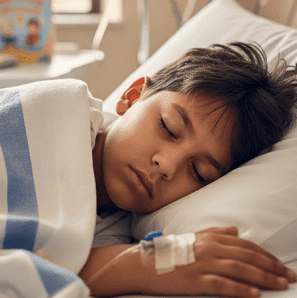
Children living in the most deprived neighborhoods face significantly worse outcomes when diagnosed with cancer, according to a new study analyzing data from Iowa and Louisiana between 2000 and 2020. Researchers found that pediatric patients in the most disadvantaged areas had a 50% higher risk of dying from cancer compared to those in the least deprived neighborhoods.
The study used the Area Deprivation Index (ADI) to measure neighborhood-level socioeconomic conditions. It revealed that children in high-ADI areas were also more than three times as likely to die early from cancer. Among those with extracranial solid tumors, the risk of death was 54% higher in the most deprived neighborhoods.
These findings underscore the powerful influence of social and environmental factors on health outcomes, even among children. “Higher ADI is associated with higher pediatric cancer mortality,” the authors concluded, emphasizing that neighborhood-level interventions may be necessary to improve survival rates.
The study highlights a critical gap in pediatric cancer research, which has historically focused less on disparities compared to adult cancers. By linking neighborhood deprivation to cancer-specific mortality, the research points to the urgent need for targeted public health strategies in underserved communities.
Without addressing these social drivers of health, children in poorer areas may continue to face unequal chances of survival. The authors call for action to reduce these disparities and improve outcomes for all children, regardless of where they live.
See: “Area Deprivation and Pediatric Cancer Mortality: An Analysis of 2000 to 2020 State Cancer Registry Data” (October 3, 2025)