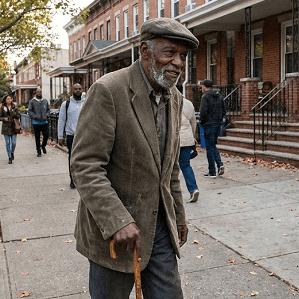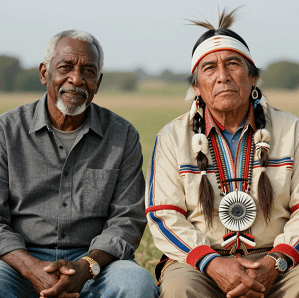
Prostate cancer mortality rates reveal stark racial inequalities, with Black men dying at twice the rate of White men despite having only 67 percent higher incidence rates, according to a new American Cancer Society report released today. Native American men face similarly troubling disparities, experiencing 12 percent higher mortality than White men while actually having 13 percent lower incidence.
The report documents an alarming reversal in progress. After declining 6.4 percent annually from 2007 to 2014, prostate cancer rates have climbed 3 percent per year since 2014, with late-stage diagnoses surging by nearly 5 percent annually. Meanwhile, mortality improvements have slowed dramatically from 3-4 percent yearly in previous decades to just 0.6 percent over the past ten years.
Geographic patterns underscore these racial disparities. Washington D.C. and Mississippi, both with significant Black populations, record the nation’s highest death rates at 27.5 and 24.8 per 100,000 respectively. American Indian and Alaska Native men are most likely to receive distant-stage diagnoses at 12 percent, compared to 8 percent among White men.
Lead author Tyler Kratzer emphasized the urgent need to optimize early detection while minimizing overdetection, particularly in Black and Native American communities. The American Cancer Society recommends all men discuss screening at age 50, but Black men and those with family history should begin these conversations at 45. With 313,780 new cases and 35,770 deaths projected this year, equitable access to early screening remains critical.
See: “New ACS Prostate Cancer Statistics Report: Late-Stage Incidence Rates Continue to Increase Rapidly as Mortality Declines Slow” (September 2, 2025)