Prostate cancer cases are climbing across America, but Black men face a crisis that dwarfs the national trend. A new report from the American Cancer Society reveals troubling racial gaps in both diagnosis and survival rates that demand urgent attention.
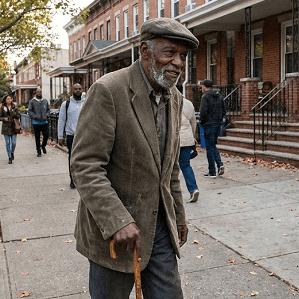
Black men experience prostate cancer at dramatically higher rates than any other group, with 191.5 new cases per 100,000 men compared to 118.3 across all races. They’re also diagnosed younger, at a median age of 65 versus 67-69 years for other groups. Most alarming is their death rate of 36.9 per 100,000 men—nearly double the national average of 19.2.
The report projects 313,780 new prostate cancer cases and 35,770 deaths in 2025. Advanced-stage disease is surging at 4.6% to 4.8% annually, with men aged 55-69 seeing 6% yearly increases. Meanwhile, mortality improvements have stalled, dropping from 3-4% annual declines two decades ago to just 0.6% in recent years.
Geographic patterns mirror racial demographics. Washington DC and Mississippi—both with significant Black populations—report the highest death rates at 27.5 and 24.8 per 100,000 respectively.
Tyler Kratzer, the study’s lead author, emphasized that these “persistent racial disparities underscore the need for redoubled efforts” in understanding and detecting prostate cancer. Current guidelines recommend screening discussions at age 50 for all men, but at age 45 for Black men and those with family history—recognition that earlier intervention could help close these devastating gaps.
See: “Prostate Cancer Stage Increasing, Survival Gains Slowing in the United States” (September 8, 2025)