Two major studies reveal contradictory but equally troubling racial disparities in pulse oximeter accuracy, complicating efforts to address medical device bias affecting patients with darker skin tones. Both studies demonstrate that even small measurement errors can substantially influence diagnosis and treatment decisions.
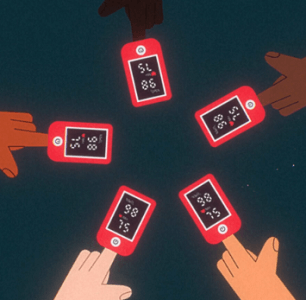
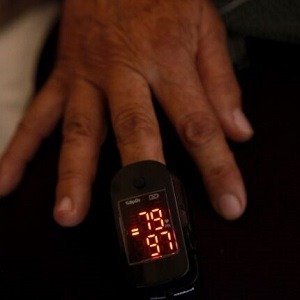
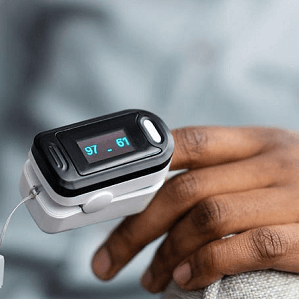
In the EXAKT study from the U.K., all five home-use pulse oximeters tested gave higher oxygen saturation readings for patients with darker skin tones than for those with lighter skin, averaging 0.6 to 1.5 percentage points higher. Falsely reassuring readings despite actual low oxygen levels were two to seven times more likely for darker-skinned patients. This was 5.3 to 35.3 percentage points more common for patients with darker skin tone.
However, preliminary findings from the EquiOx study of hospital-grade devices showed the opposite pattern. Fingertip monitors systematically underestimated oxygen saturation across all skin tones but with less underestimation in patients with darker skin. Carolyn M. Hendrickson of the University of California San Francisco noted that pulse oximeter inaccuracies in intensive care unit patients may be more substantial than clinicians recognize.
These conflicting findings suggest that a universal correction factor to adjust readings for darker-skinned patients would not solve the problem. Thomas S. Valley and Andrew W. Fogarty emphasized in an accompanying editorial that clinicians must interpret oxygen saturation within clinical context, integrating patient symptoms and awareness of device limitations. The goal is not to abandon pulse oximetry but to understand its limits and make it equitable, ensuring the technology does not perpetuate inequalities.
See: “Pulse Oximeter Failings for Darker-Skinned People Might Not Have a Simple Solution” (January 14, 2026)