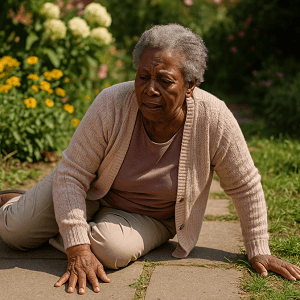
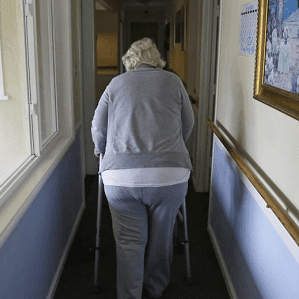
Accidental falls are among the leading causes of injury and death for Americans over 65, and the toll is rising. Each year, more than one in four older adults reports falling, and one in ten suffers an injury. In 2021 alone, falls claimed over 38,700 lives in this age group. But behind these numbers lies a troubling pattern of racial and ethnic disparities.
A systematic analysis of fall-related mortality found that deaths among older adults were highest in white populations, particularly in clusters across states like Florida, Minnesota, and Wisconsin. Researchers suggest social isolation may play a role, noting that “older Black and Latino adults are more likely to have close social support compared with older white adults,” while American Indian/Alaska Native and Asian individuals often live in multigenerational households.
Other studies reveal different vulnerabilities: Native American/Alaska Natives had the highest prevalence of fall history (43.8%), and Hispanic older adults reported the highest rate of falls with injury (56.1%). These disparities highlight how cultural, social, and structural factors intersect with health risks.
Experts warn that prevention strategies must go beyond one-size-fits-all approaches. Improving social connections, tailoring interventions to specific communities, and addressing barriers like transportation and access to physical therapy are critical. As one researcher put it, “Current prevention techniques might need to be restructured to reduce frailty and emphasize interventions that work for minoritized populations.”
See: “Accidental falls in the older adult population: What academic research shows” (August 28, 2024)