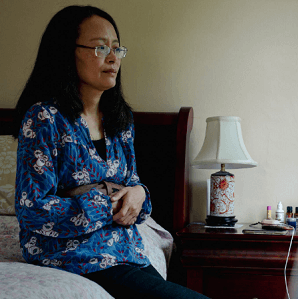
Once considered a disease mainly for older male smokers, lung cancer now disrupts even those with no tobacco history, raising fresh concerns about health disparities in minority communities. Evidence continues to mount that among Asian and Asian American women, the rate of lung cancer in nonsmokers is strikingly high—estimates in some groups have reached 50 percent or more. These patterns, paired with a lag in early detection, mean that cancers too often go undiagnosed until the most advanced stages, undercutting outcomes for patients like Annie Chen, a New Jersey woman diagnosed at 48 with stage 4 lung cancer despite never touching a cigarette.
Researchers note that biology and risk factors for lung cancer in nonsmokers often differ from those in smokers, potentially requiring tailored strategies for detection and treatment. Air pollution has emerged as a strong suspect, with new genetic evidence linking high-pollution regions to specific DNA mutations driving lung cancer. Other culprits include genetic predisposition, environmental exposures, and, in certain populations, culturally specific risks such as fumes from cooking oils or traditional medicines, though these are less common in the United States.
Screening guidelines further complicate the picture for minorities: In the U.S., routine lung cancer screening is only recommended for older adults with a heavy smoking history. This leaves high-risk nonsmokers—especially Asian American women—largely unprotected, fueling calls from physicians and advocates for broader, more equitable screening policies. With newer therapies improving survival for advanced cases, the focus shifts to closing detection gaps and addressing the persistent, often overlooked disparities faced by minority communities.
See: “Many Lung Cancers Are Now in Nonsmokers. Scientists Want to Know Why.” (July 22, 2025)