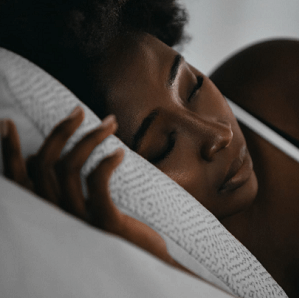
Sleep disorders are widespread in the United States, but Black women experience some of the most severe and least recognized consequences, according to a detailed report in Neurology Advisor. Compared with White individuals, Black patients have poorer sleep quality and higher rates of obstructive sleep apnea, yet diagnosis remains rare. Only 16.2% of Black adults with moderate to severe sleep apnea report having received a formal diagnosis, leaving many untreated and vulnerable to long-term health risks.
The burden is especially heavy for Black women. Evidence cited in the report shows they sleep fewer hours, take longer to fall asleep, and have poorer sleep efficiency than Black men, White men, or White women. Despite worse objective sleep measures, Black women are less likely to report poor sleep, a disconnect that researchers say can delay diagnosis and care. One study found Black women score significantly higher on the Pittsburgh Sleep Quality Index, indicating worse sleep health overall.
Structural factors play a central role. Neighborhood segregation increases exposure to noise, air pollution, and food deserts, all of which raise sleep apnea risk. Access to care is another barrier. Sleep labs are often located in affluent areas, creating transportation challenges, while insurance coverage limits follow-up and treatment. At minority-serving institutions, 42% of patients did not return for sleep apnea treatment, compared with 7% at voluntary hospitals.
Bias within medicine compounds these gaps. Victoria Francois, MPH, said clinicians may dismiss symptoms reported by Black women, warning that disbelief can “perpetuate harmful stereotypes.” Funke Afolabi-Brown, MD, noted that common screening tools were developed largely in White populations and may miss risk in Black patients.
The report frames sleep inequality as a racial health disparity with serious consequences. Untreated sleep disorders increase the risk of heart disease, stroke, and cognitive decline, meaning missed diagnoses can quietly accelerate inequities in chronic illness and life expectancy for Black women.
See: “Sleep Inequality in Black Women: Barriers to Diagnosis and Care” (May 2, 2025)