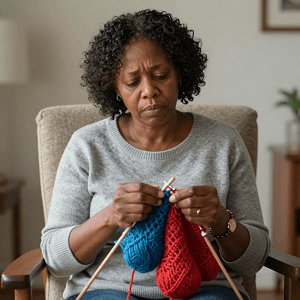
Nurse researcher Latesha K. Harris questions a troubling pattern she observes in healthcare settings. When Black families lose loved ones to premature death from preventable diseases, they often say, “At least now she/he can rest.” Harris asks why rest must wait until death.
Her personal losses underscore the crisis. Both parents died more than 20 years before average US life expectancy from preventable conditions: her mother at 55 from heart disease, her father at 53 from cirrhosis. Harris argues that constant resilience, while traditionally viewed as protective, may actually function as a health risk for Black women.
Heart disease disproportionately affects Black women, with more than half of those aged 20 and older living with some form of cardiovascular disease. Black women face three times the risk of dying from pregnancy-related causes compared to other groups. One in five Black women report unfair treatment by healthcare providers due to their race or ethnicity.
Chronic stress from racism creates measurable biological harm. Research shows it accelerates aging in Black women, making them biologically up to nine years older than white women of the same chronological age. Harris’s own research found nearly one-third of young Black women between 18 and 40 had high blood pressure, abdominal adiposity, and obesity.
Recent policy shifts compound these challenges. While the Biden administration invested in historically Black colleges and maternal health, the Trump administration has slashed funding for maternal health research and dismantled diversity initiatives. Harris calls for structural changes beyond individual interventions, emphasizing that understanding resilience patterns matters as much as identifying persistent inequities.
See: “Black women’s health resilience: the hidden cost of ‘pushing through’” (January 20, 2026)