Medical misdiagnosis affects 12 million adults annually in the U.S., but women and racial minorities bear a disproportionate share of the harm. A recent investigation reveals that these groups are 20% to 30% more likely than white men to be misdiagnosed, often with life-threatening consequences.
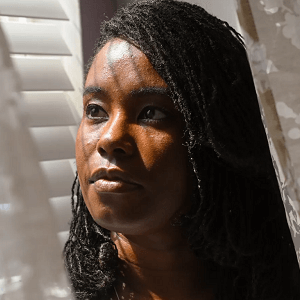
Charity Watkins, a Black woman, experienced severe exhaustion after childbirth. Her doctor attributed it to postpartum depression and later the flu. Weeks later, she was diagnosed with heart failure—one of the leading causes of maternal death in the year after delivery, especially among Black women. Watkins spent two weeks in intensive care and was told she nearly died.
Studies show that nearly one in four hospital patients who died or were transferred to intensive care had experienced a diagnostic error. Black women with childbirth-related heart failure are typically diagnosed later than white women, making recovery less likely.
Bias plays a major role. Doctors are more confident diagnosing white men and less likely to take action when uncertain about symptoms in women or Black patients. Medical textbooks overwhelmingly depict white men, leaving conditions that affect darker skin—like melanoma or Lyme disease—underrecognized and underdiagnosed.
Even tools like pulse oximeters, which measure oxygen levels, are less accurate for people with dark skin, delaying critical care.
Watkins now shares her story with medical professionals. “It has helped me reclaim power in my life,” she said.
See: “Women and Minorities Bear the Brunt of Medical Misdiagnosis” (January 18, 2024)