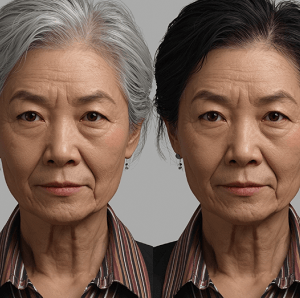
Lung cancer is sharply rising among people who have never smoked, with women seeing the steepest increases worldwide. Findings published by the World Health Organization’s cancer agency reveal that lung adenocarcinoma now accounts for nearly 60% of lung cancer cases in women—compared to 45% in men—pointing to a troubling shift. In 2022, 2.5 million new cancer cases were tallied, up 300,000 since 2020. Environmental exposures and unique genetic risks are suspected to drive non-smoking-related cases, especially among certain minority groups.
Genetic mutations stand out as a key risk driver—mutations in the EGFR gene account for 50% of lung adenocarcinomas among non-smoking Asian women, compared to just 19% in non-smoking Western women and far fewer men. Advances in testing have improved detection, but researchers now warn that rising air pollution may be sparking even more of these mutations. The report details that women, particularly those in Asia, are disproportionately diagnosed and often at younger ages.
Researchers highlight additional disparities for minority populations, as other cancer-driving mutations are found more commonly in younger, non-smoking women in Asia, influenced by factors such as household pollution and work-related exposures. Air pollution inside homes—especially from cooking fuels—and exposure to toxic chemicals in certain jobs places women at greater risk. Lung anatomy also matters: women’s smaller airways allow more fine pollutants to become trapped, possibly sparking inflammation and cancer.
Addressing these gaps means understanding biological, environmental, and social factors affecting minority women to improve early detection and equitable access to prevention.
See: “Why is there an increase in lung cancer among women who have never smoked?” (February 11, 2025)