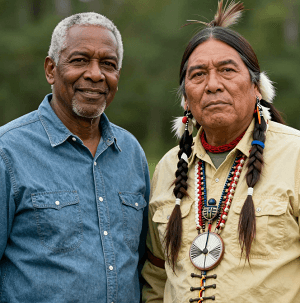
Cancer is not an equal-opportunity killer in the United States, and new research from the American Cancer Society (ACS) lays bare how deeply race, place, and poverty shape who dies. Black and American Indian/Alaska Native (AIAN) people “continue to bear a substantially higher burden of cancer deaths, overall and from major cancers,” even as advances in prevention and treatment accelerate.
The report finds that overall cancer mortality is higher in Black and AIAN men and women than in their White counterparts, with Black women suffering a 10% higher cancer death rate despite a 9% lower overall cancer incidence. Mortality from leading cancers is generally higher in Black and AIAN communities, revealing how late diagnosis and unequal access to quality care translate into lost lives.
Disparities linked to education and income magnify racial gaps. Compared with adults who finished college, cancer mortality is 2.6 times higher in men and twice as high in women with only a high school education or less, with lung cancer death rates four to five times higher in less educated adults. The authors note that differences in cancer mortality are “substantially larger by education than by race,” yet Black adults still have higher death rates than White adults at the same education level.
“Under-resourced and minoritized groups continue to disproportionally experience barriers to cancer prevention, screening, diagnosis, quality treatment, and survivorship,” said lead author Dr. Farhad Islami. ACS leaders urge stronger health insurance coverage and policies to ensure “timely, high-quality, affordable health care” so cancers can be detected and treated earlier.
See: “New ACS Cancer Disparities Report: Major Differences Persist in Mortality Burden by Urbanicity, Congressional District, Socioeconomic Status, and Race/Ethnicity” (December 16, 2025)