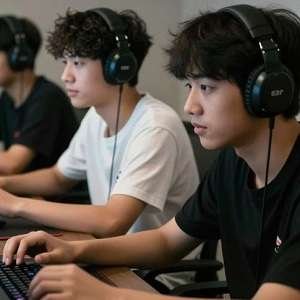
Asian American teenagers face a hidden mental health crisis where cultural disagreements with parents directly predict worsening depression and anxiety. A new study of 127 Asian American teens with diagnosed mental health conditions reveals that traditional coping strategies often backfire, leaving young people trapped between conflicting cultural worlds.
Between 2018 and 2022, suicide became the leading cause of death for Asian Americans ages 15 to 24, according to the CDC. During the pandemic, 76 percent of Asian American youth reported feeling less safe, and two-thirds experienced increased depression, according to the Young Asian American Health Survey.
Jennifer Yu at Liberty University, who published the findings in January 2026, observed that teens who dwelled on their emotions saw family tension worsen. Those attempting direct problem-solving saw marginal improvement. Avoidance produced the worst outcomes across all measures. Yu explained that when distress cannot be expressed, it converts into depression or anxiety.
The conflicts span fundamental identity questions including dating practices, career decisions, family responsibilities, and language use at home. Yu noted that many conflicts arise because “love, care, and expectations were being expressed in very different cultural languages.”
Federal statistics mask the severity by lumping more than 50 ethnic groups into one category. Burmese Americans earn a median household income of $47,061 while Asian Indians earn $125,319, yet policies treat both identically. Asian Americans seek mental health services at half the rate of other groups, and one in three with diagnosed depression cannot afford treatment.
Western therapy focused on individual choice often fails families who see identity as inseparable from family, leaving teenagers to navigate “very complex cultural, familial, and emotional worlds simultaneously,” Yu wrote.
See: “Mental health coping in Asian-American youth raise concerns” (February 1, 2026)