A stealthy form of breast cancer is rising sharply in the U.S., with some minority groups seeing the steepest increases. Invasive lobular carcinoma (ILC), which now makes up 10% of breast cancer cases, is growing at nearly 3% annually—more than triple the rate of other breast cancers.
ILC’s subtle growth pattern makes it harder to detect. It spreads in a linear or dispersed fashion, often without forming a lump, and may present with symptoms like nipple inversion or skin dimpling. These traits contribute to delayed diagnoses and poorer outcomes in advanced stages. “Our study underscores the need for much more information on lobular cancers,” said Rebecca Siegel, MPH, of the American Cancer Society.
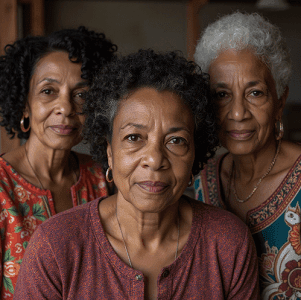
While white women have the highest incidence rate, Black women rank second. But the most dramatic rise was seen among Asian American and Pacific Islander women, with a 4.4% annual increase from 2012 to 2021. The trend spans all age groups and stages of disease, signaling a widespread issue with serious implications for minority communities.
ILC is less responsive to chemotherapy and more likely to spread to the gastrointestinal tract, urinary lining, and ovaries. Women with metastatic ILC are half as likely to survive 10 years compared to those with ductal cancer. Lead author Angela Giaquinto, MSPH, emphasized the need to separate ILC from other breast cancers in research to improve treatment and outcomes.
See: “A Breast Cancer That’s Harder to Detect Is on the Rise” (October 9, 2025)