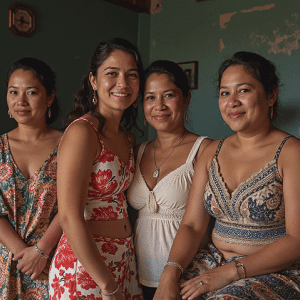
In American Samoa, pregnancy has become a flash point for a much larger story about racial health disparities. A new study from the Yale School of Public Health is probing why gestational diabetes strikes Pacific Islander women at such alarming rates, and why so many quickly develop type 2 diabetes after giving birth. Researchers note that earlier work suggests gestational diabetes may affect up to about 40% of women in American Samoa, compared with roughly 9% of pregnant women across the United States. That gap underscores how geography, genetics, and access to care can converge to place one minority community at disproportionate risk.
The Gestational Diabetes – Risk Factors and Outcomes among American Samoan Women (GROW) study is the first long-term, population-specific investigation of this problem in American Samoa. Led by epidemiologist Nicola Hawley and collaborators in the continental U.S. and at the Obesity, Lifestyle and Genetic Adaptations Research Center in American Samoa, the team is enrolling 350 women early in pregnancy and following them for 18 months postpartum.
By using continuous glucose monitors, advanced glucose tolerance tests, and genetic analysis, investigators hope to identify early biological and behavioral warning signs in an “understudied population” and to direct preventive resources to those most at risk. One focus is a variant in the CREBRF gene, carried by about 40% of Samoans, that is linked to higher body weight but lower risk of type 2 diabetes and may even protect against gestational diabetes. Findings from this work could shape future screening guidelines, community-based prevention programs, and precision medicine strategies tailored to Pacific Islander communities that have long been overlooked in U.S. maternal health research.
See: “Study examines gestational diabetes in American Samoan women” (December 09, 2025)